
Understanding Disabled Toilets: What Are They
Disabled portable toilets, also known as accessible toilets, are specially designed facilities that cater to the needs of individuals with disabilities. These toilets are crucial in promoting independence, dignity, and equality for people with various physical challenges. This article explores the key features, importance, and best practices related to disabled toilets.
Importance of Disabled Mobile Toilets
Disabled movable toilets play a vital role in ensuring that individuals with disabilities can access sanitary facilities comfortably and safely. The importance of these toilets can be summarized as follows:
Promoting Independence: Accessible toilets enable individuals with disabilities to use the facilities without assistance, fostering a sense of independence.
Ensuring Safety: These toilets are equipped with features that reduce the risk of accidents and injuries, providing a safer environment for users.
Enhancing Dignity: By offering facilities that cater to their needs, disabled portable bathroom help maintain the dignity of individuals with disabilities.
Legal Compliance: Many countries have regulations that mandate the provision of accessible toilets in public buildings and workplaces to prevent discrimination and promote equality.
Key Features of Disabled Toilette Mobile
Disabled portable bathroom toilet are designed with several features to accommodate the needs of users with disabilities:
Wider Doors: The doors are wider to allow easy access for wheelchairs.
Higher Toilet Seats: The toilet seats are higher than standard ones, making it easier for individuals to transfer from a wheelchair to the toilet.
Grab Rails: These are installed near the toilet and sink to provide support and stability.
Emergency Cords: These cords can be pulled in case of an emergency to alert others for assistance.
Ample Space: The toilets have enough space to maneuver a wheelchair comfortably.
Lower Sinks and Mirrors: Sinks and mirrors are installed at a lower height to be accessible to individuals in wheelchairs.
Best Practices for Designing Disabled Toilette Mobile Wc
Designing an effective disabled toilet involves adhering to certain best practices:
Compliance with Regulations: Ensure that the design complies with local and international accessibility standards, such as the Americans with Disabilities Act (ADA) in the United States3.
User-Centered Design: Consider the needs and preferences of users with disabilities during the design process.
Regular Maintenance: Regularly inspect and maintain the facilities to ensure they remain functional and safe.
Clear Signage: Use clear and visible signage to indicate the location of disabled toilets.
Training Staff: Train staff on how to assist individuals with disabilities and maintain the facilities properly.
Types of Disabled Mobile Toilets Outdoor Portable
There are various types of disabled toilets designed to meet different needs:
Standard Accessible Toilets: These are the most common type and include basic accessibility features such as grab rails and higher toilet seats.
Changing Places Toilets: These toilets are designed for individuals with more complex needs and include additional features such as a hoist system and an adult-sized changing bench.
Family/Companion Toilets: These toilets are larger and allow a caregiver or family member to assist the user.
Innovations in Disabled Toilette Portable
The field of accessible toilets is continually evolving with new innovations:
Smart Toilets: These outdoor disabled toilets come with features such as automatic flushing, self-cleaning, seat warming, and even health monitoring. They provide a hands-free approach to personal hygiene and can be a game changer for those in need of extra assistance.
Portable Accessible Toilets: These are mobile units that can be set up at events or construction sites to provide accessible facilities.
Eco-Friendly Toilets: These toilets use less water and environmentally friendly materials to reduce their ecological footprint.
Challenges and Solutions
Despite the advancements, there are still challenges in providing accessible toilets:
Cost: Installing and maintaining disabled toilets can be expensive. However, grants and funding are available in many regions to support these initiatives.
Awareness: There is often a lack of awareness about the importance of accessible toilets. Education and advocacy can help raise awareness and promote the inclusion of these facilities.
Vandalism: Disabled toilets can be targets for vandalism. Implementing security measures and regular inspections can help mitigate this issue.
Regulatory Compliance
Understanding and adhering to sanitation regulations is crucial:
Local and Federal Regulations: Ensure compliance with local and federal sanitation regulations. Compliance with regulations can help in avoiding fines and ensuring that disabled toilets are safe and sanitary.
Understanding Disabled Toilets: What Are They
Guidelines: Follow guidelines for portable toilet sanitation. Disabled portable toilet guidelines provide detailed information on the best practices for porta potty sanitation and can help in ensuring that facilities are safe and sanitary.
ADA Compliance: Ensure that disabled toilets are accessible to individuals with disabilities. ADA compliance can help in providing equal access to sanitation facilities for all users.
Conclusion
Disabled toilets are essential for creating an inclusive and accessible environment for individuals with disabilities. By understanding their importance, key features, and best practices, we can ensure that these facilities meet the needs of all users. Continued innovation and awareness are crucial in overcoming challenges and promoting the widespread adoption of accessible toilets. Regular training and education for sanitation staff, along with adherence to regulatory guidelines, can further enhance the effectiveness of porta potty sanitation efforts. Ultimately, maintaining clean and sanitary disabled toilets can contribute to a positive user experience and protect public health and the environment.
FAQs
Q1. Why are disabled movable toilet important?
A1: Disabled toilets are crucial because they:
Promote Independence: Allow individuals with disabilities to use facilities without assistance.
Ensure Safety: Reduce the risk of accidents and injuries.
Enhance Dignity: Provide facilities that cater to the specific needs of users.
Comply with Legal Requirements: Meet regulations that mandate accessible facilities in public spaces.
Q2. What are the key features of disabled portable toilets?
A2: Key features include:
Wider Doors: For easy wheelchair access.
Higher Toilet Seats: Easier transfer from wheelchair to toilet.
Grab Rails: Provide support and stability.
Emergency Cords: Alert others in case of an emergency.
Ample Space: Enough room to maneuver a wheelchair.
Lower Sinks and Mirrors: Accessible for individuals in wheelchairs.
Q3. What are the best practices for designing disabled mobile wc toilets?
A3: Best practices involve:
Compliance with Regulations: Adhering to local and international standards.
User-Centered Design: Considering the needs of users with disabilities.
Regular Maintenance: Ensuring facilities remain functional and safe.
Clear Signage: Indicating the location of disabled toilets.
Training Staff: Educating staff on assisting users and maintaining facilities.
Q4. What types of disabled mobile bathroom are available?
A4: Types include:
Standard Accessible Toilets: Basic accessibility features.
Changing Places Toilets: Additional features for complex needs, like hoist systems.
Family/Companion Toilets: Larger spaces for caregivers or family members to assist.
Q5. What innovations are there in disabled public toilet mobile wc?
A5: Innovations include:
Smart Toilets: Features like automatic flushing, self-cleaning, and health monitoring.
Portable Accessible Toilets: Mobile units for events or construction sites.
Eco-Friendly Toilets: Use less water and environmentally friendly materials.
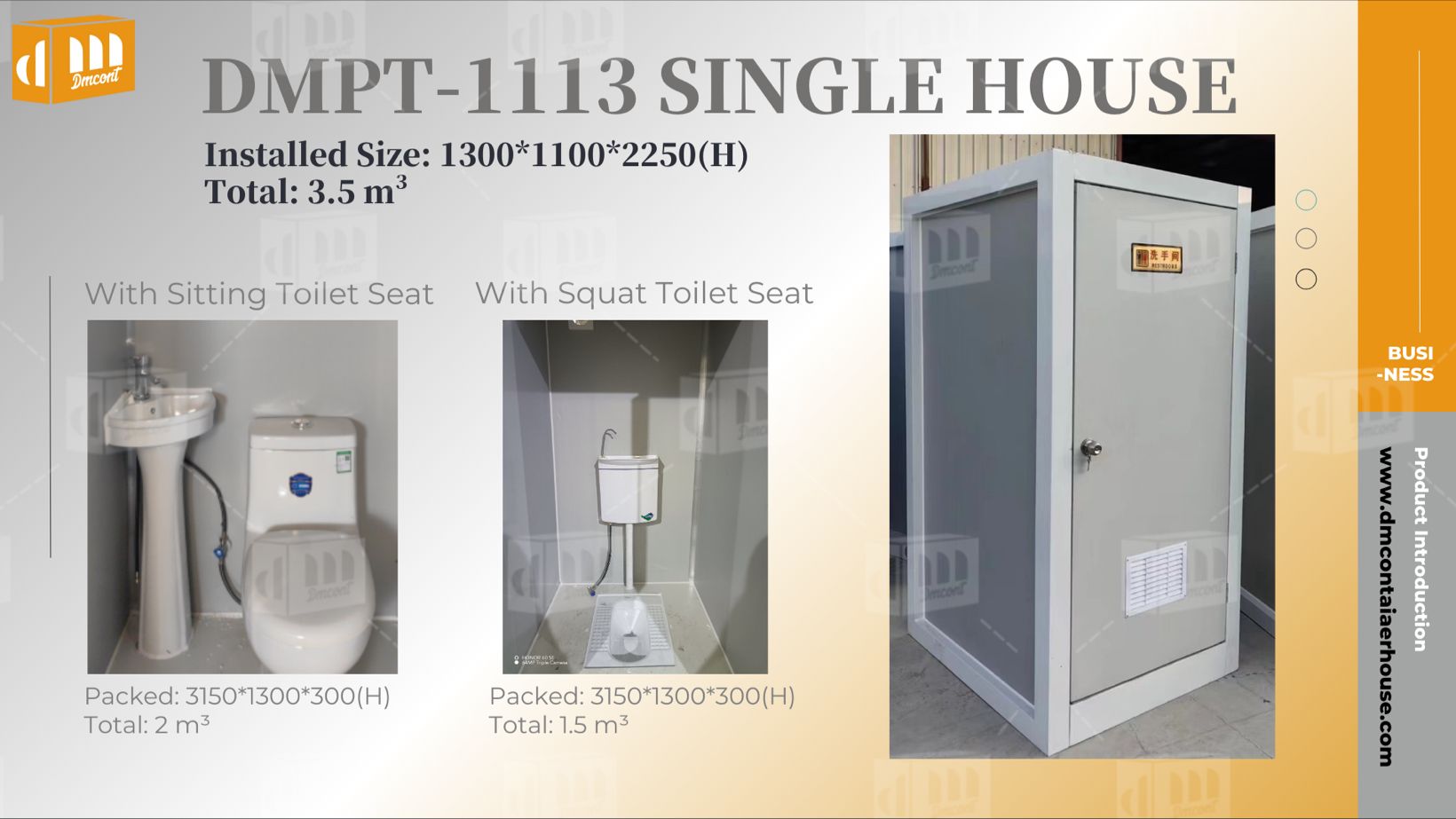
DM-Toilet
Name*
*Country*
*Email*
*Tel/Whatsapp*
*Message*
*


