
















Q1. Why are HDPE lockers more durable than metal lockers?
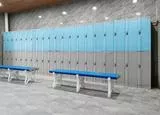
A1: HDPE lockers are made from a tough thermoplastic polymer that resists impact, scratches, and dents, ensuring long-lasting durability.
Q2. Can ABS plastic lockers be used outdoors?
A2: No, prolonged UV exposure can cause ABS lockers to become brittle and fade. They are better suited for indoor use.
Q3. What are the key differences between HDPE and ABS lockers?
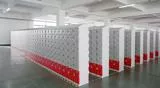
A3: HDPE lockers are highly durable, moisture-resistant, and eco-friendly, ideal for high-traffic and wet environments. ABS lockers are strong, lightweight, and cost-effective, suitable for offices, retail spaces, and healthcare facilities. However, ABS lockers are generally more cost-effective, offering strong and reliable performance at a lower price point compared to HDPE lockers.
Q4. Which type of locker is more cost-effective: HDPE or ABS?
A4: ABS lockers are generally more cost-effective, offering strong and reliable performance at a lower price point compared to HDPE lockers.
Q5. Can HDPE lockers be customized in terms of color and design?
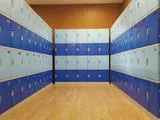
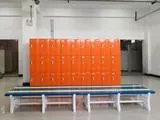
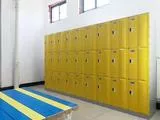
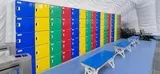
A5: HDPE lockers come in various colors, but options are more limited than metal lockers. Custom colors are available at an extra cost
Q6. What safety features do HDPE lockers have?
A6: They feature rounded edges to prevent injuries and secure locks. HDPE is also non-conductive, making it safe in environments with electrical hazards.
DM-Toilet
Name*
*Country*
*Email*
*Tel/Whatsapp*
*Message*
*


