
How To Position Portable Restrooms at Construction Sites
Portable restrooms are an essential aspect of any construction site, providing workers with necessary facilities to maintain comfort, hygiene, and productivity throughout the project duration. However, positioning these restrooms correctly is crucial to ensure their effectiveness and compliance with regulations. In this article, we'll delve into the best practices for positioning portable restrooms at construction sites to optimize worker satisfaction and site efficiency.
Introduction
Construction sites are dynamic environments with various activities taking place simultaneously. Amidst heavy machinery, materials, and ongoing construction work, ensuring the availability and proper placement of portable restrooms is vital. Neglecting this aspect can lead to discomfort for workers, compromise safety, and even result in regulatory violations.
Understanding Construction Site Layout
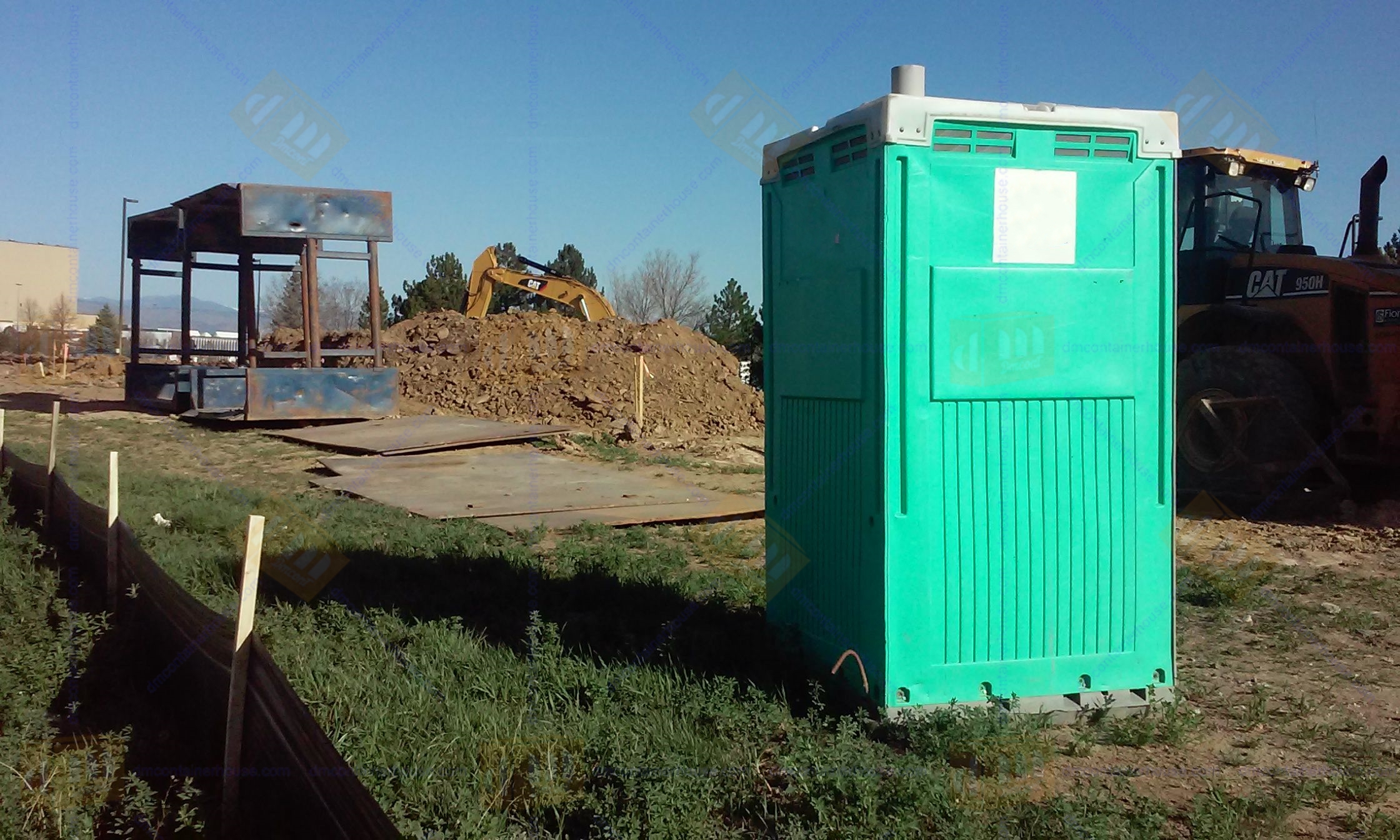
Before determining the ideal locations for portable restrooms, it's essential to comprehend the layout of a typical construction site. These sites often comprise multiple zones, including work areas, storage zones, administrative offices, and entry points for vehicles and personnel.
Factors to Consider
Several factors must be taken into account when positioning portable restrooms:
Accessibility
The restrooms should be easily accessible to all workers without obstructing the flow of construction activities. Placing them strategically near high-traffic areas ensures convenience for employees.
Worker Convenience
Consider the proximity of restrooms to work zones to minimize downtime associated with restroom breaks. Workers shouldn't have to travel long distances, which can impede productivity.
Safety Regulations
Compliance with safety regulations, such as those set by the Occupational Safety and Health Administration (OSHA), is imperative. Restrooms should be positioned in areas that don't pose a hazard to workers or interfere with emergency evacuation routes.
Best Practices for Positioning Portable Restrooms
Following these best practices can optimize the placement of portable restrooms:
Centralized Location
Position the restrooms centrally within the construction site to ensure equitable access from all areas. This centralization minimizes the time and effort required for workers to reach the facilities.
Distance from Work Areas
While centralizing restrooms is essential, they should still be situated at a reasonable distance from work zones to avoid interruptions. Placing them too close may lead to noise and odor disturbances.
Avoiding Obstacles
Ensure that restrooms are positioned away from obstacles such as heavy machinery, equipment staging areas, or hazardous materials storage sites. This prevents potential accidents and ensures ease of access.
Accessibility for Differently-abled Individuals
Consider the needs of differently-abled workers by providing wheelchair-accessible restrooms and ensuring clear pathways free of obstacles.
Tips for Maintaining Cleanliness
Maintaining cleanliness is vital for the health and well-being of workers. Implement the following tips to ensure hygienic restroom conditions:
Regular Servicing
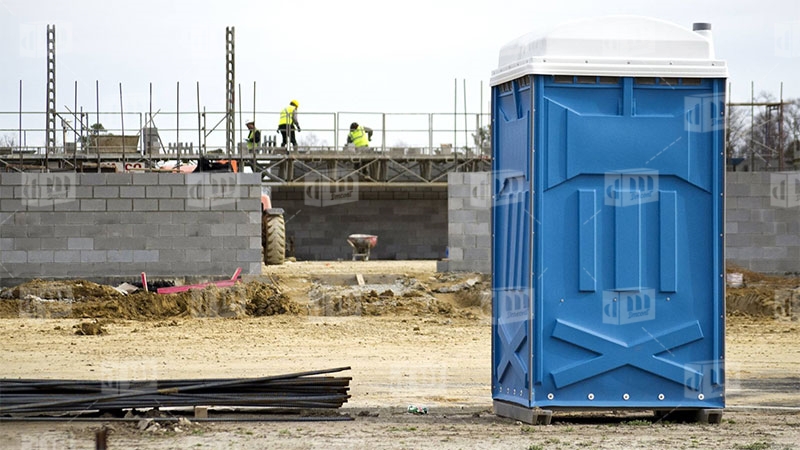
Schedule routine servicing of portable restrooms to empty waste tanks, replenish supplies, and sanitize the facilities. Regular maintenance prevents odors and promotes a pleasant restroom experience.
Waste Management
Implement proper waste management practices to dispose of waste responsibly and minimize environmental impact. Partnering with reputable waste management companies ensures compliance with regulations and ethical disposal practices.
Ensuring Compliance with Regulations
Adherence to regulatory standards is non-negotiable when positioning portable restrooms. Familiarize yourself with OSHA guidelines and local regulations governing restroom facilities at construction sites to avoid fines and penalties.
Cost-effective Solutions
Balancing cost considerations with quality is essential when choosing portable restroom solutions:
Renting vs. Purchasing
Evaluate the pros and cons of renting versus purchasing portable restrooms based on the duration and scale of the construction project. Renting may offer flexibility and cost savings for shorter-term projects, while purchasing may be more economical for long-term use.
Budget Considerations
Factor in the cost of rental or purchase, maintenance, and servicing when budgeting for portable restrooms. Opt for solutions that offer the best value without compromising on quality or compliance.
Importance of Regular Evaluation
Construction sites evolve over time, requiring periodic reassessment of restroom positioning:
Adapting to Site Changes
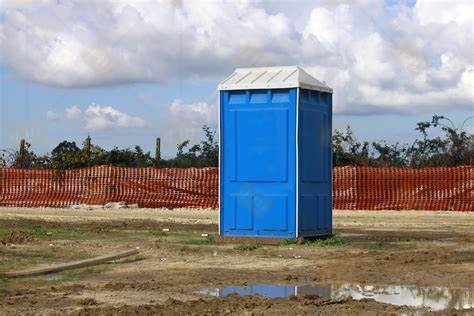
As construction progresses and site dynamics change, reevaluate restroom positioning to ensure continued effectiveness and compliance with regulations.
Conclusion
Proper positioning of portable restrooms at construction sites is crucial for optimizing worker comfort, safety, and productivity. By considering factors such as accessibility, worker convenience, and regulatory compliance, construction site managers can create an environment that prioritizes the well-being of their workforce.
FAQs
Q1: How many portable restrooms are typically needed for a construction site?
A1: The number of restrooms required depends on factors such as the size of the workforce, duration of the project, and regulatory requirements. Generally, one restroom per 10-15 workers is recommended.
Q2: Can portable restrooms be placed on uneven terrain?
A2: Yes, portable restrooms can be installed on uneven terrain with the use of leveling blocks or ramps to ensure stability and accessibility.
Q3: Are there regulations regarding the placement of handwashing stations near portable restrooms?
A3: Yes, regulations often require handwashing stations to be positioned in proximity to portable restrooms to promote proper hygiene practices among workers.
Q4: How often should portable restrooms be serviced?
A4: Portable restrooms should be serviced regularly, typically once or twice a week, to maintain cleanliness and functionality.
Q5: Can portable restrooms be customized to accommodate specific needs, such as ADA compliance?
A5: Yes, many portable restroom providers offer customizable options, including ADA-compliant units, to meet the diverse needs of construction sites and workers.
DM-Toilet
Name*
*Country*
*Email*
*Tel/Whatsapp*
*Message*
*


