
Is There a Difference Between Mobile Toilet and Portable Bathroom?
In today's fast-paced world, convenience and mobility are key factors driving many innovations. One such area is sanitation solutions, where mobile toilets and portable bathrooms play a significant role. Despite often being used interchangeably, mobile toilets and portable bathrooms serve different purposes and come with distinct features. Understanding these differences can help individuals and businesses make informed decisions about which option best suits their needs.
Understanding Mobile Toilets
Definition and Usage
A mobile toilet, commonly known as a porta potty, is a self-contained unit designed to provide basic sanitation facilities. These units are widely used at construction sites, outdoor events, festivals, and in emergency situations where traditional restroom facilities are unavailable. Mobile toilets are typically made from lightweight and durable materials such as High-Density Polyethylene (HDPE) and Expanded Polystyrene (EPS).
Features of Mobile Toilets
1. Basic Design: Mobile toilets usually consist of a simple structure with a toilet seat, a holding tank for waste and water, and a vent to reduce odors.
2. Ease of Use: These units are designed for quick and easy use. They require minimal setup and maintenance.
3. Durability: With materials like HDPE and EPS, mobile toilets are not only lightweight but also durable, weather-resistant, and capable of withstanding tough conditions.
4. Limited Facilities: Mobile toilets provide basic sanitation needs but lack additional features such as running water, sinks, or showers.
Advantages of Toilette Mobile
Portability: Mobile toilets are highly portable and can be easily transported to various locations.
Cost-Effective: They are generally more affordable than portable bathrooms, making them a popular choice for short-term use.
Quick Setup: These units can be set up quickly, making them ideal for temporary events or emergency situations.
Environmental Impact: HDPE and EPS are recyclable materials, which means mobile toilets can be manufactured with a lower environmental footprint.
Maintenance and Hygiene of Mobile Toilet Wc
Mobile toilets require regular maintenance to ensure hygiene and functionality. This includes routine emptying of waste tanks, cleaning, and restocking of supplies such as toilet paper and hand sanitizer. While they offer basic facilities, maintaining cleanliness is crucial to prevent the spread of germs and ensure user comfort.
Understanding Portable Bathrooms
Definition and Usage
A portable bathroom, also known as a portable restroom or restroom trailer, offers a more comprehensive sanitation solution compared to mobile toilets. These units often include multiple facilities such as toilets, sinks, and sometimes even showers. Portable bathrooms are commonly used at upscale events, weddings, film sets, and long-term construction projects where higher comfort and hygiene standards are required.
Features of Portable Mobile Bathroom
1. Enhanced Design: Portable bathrooms are typically more robust and feature-rich than mobile toilets. They may include separate stalls, running water, mirrors, and lighting.
2. Comfort and Hygiene: These units offer a higher level of comfort and hygiene, making them suitable for events where guests' experience is a priority.
3. Additional Facilities: Portable bathrooms often come equipped with sinks, soap dispensers, hand dryers, and sometimes showers, providing a complete sanitation solution4. Customizable Options: Many portable bathroom units can be customized to meet specific needs, including accessibility features, aesthetic enhancements, and additional amenities.
Advantages of Portable Bathrooms Restroom
Comfort: Portable bathrooms offer a more comfortable and pleasant experience for users, making them suitable for high-end events.
Comprehensive Facilities: With the inclusion of sinks, hand dryers, and sometimes showers, portable bathrooms provide a more complete sanitation solution.
Versatility: These units can be used in a variety of settings, from luxury events to long-term construction sites.
Hygiene Standards: Enhanced cleaning and maintenance features ensure that portable bathrooms maintain high hygiene standards over extended periods of use.
Maintenance and Hygiene of Portable Bathrooms Wc
Portable bathrooms require regular and thorough maintenance to ensure they remain clean and functional. This includes more complex tasks such as plumbing maintenance, cleaning of showers, sinks, and toilets, and restocking of supplies. The higher level of facilities necessitates a more rigorous maintenance schedule compared to mobile toilets.
Key Differences Between Mobile Toilets and Portable Bathrooms
While both mobile toilets and portable bathrooms provide essential sanitation services, their key differences lie in their design, features, and intended usage.
1. Design and Structure: Mobile toilets have a basic design focused on providing essential sanitation facilities. Portable bathrooms, on the other hand, are designed to offer enhanced comfort and additional features.
2. Facilities Provided: Mobile toilets generally include a toilet seat and a waste holding tank, with minimal additional facilities. Portable bathrooms may include multiple toilets, sinks, running water, and sometimes showers.
3. Usage Scenarios: Mobile toilets are ideal for short-term events, construction sites, and emergency situations. Portable bathrooms are better suited for upscale events, long-term projects, and situations where higher hygiene standards are required.
4. Cost: Mobile toilets are usually more cost-effective due to their basic design and facilities. Portable bathrooms, with their enhanced features, come at a higher price point but provide better comfort and hygiene.
5. Materials: Both mobile toilets and portable bathrooms use HDPE and EPS, which are lightweight, durable, and environmentally friendly.
6. Environmental Impact: Both mobile toilets and portable bathrooms can be designed with eco-friendly materials and features. However, the simpler construction of mobile toilets generally means a smaller environmental footprint.
Conclusion
Choosing between a mobile toilet and a portable bathroom depends on the specific needs of the event or project. For short-term, budget-conscious situations, mobile toilets provide a practical and cost-effective solution. However, for events or projects where comfort and hygiene are paramount, portable bathrooms are the better choice.
Understanding the differences between these two options allows businesses and individuals to make informed decisions, ensuring that their sanitation needs are met effectively and efficiently.
FAQs: Mobile Toilets vs. Portable Bathrooms
Q1. What is the main difference?
Mobile toilets provide basic facilities, while portable bathrooms offer more features like sinks and showers.
Q2. Where are mobile toilets commonly used?
Construction sites, outdoor events, festivals, and emergencies.
Q3. What materials are used for mobile toilets?
High-Density Polyethylene (HDPE) and Expanded Polystyrene (EPS); they're lightweight and durable.
Q4. Why choose a portable bathroom over a mobile toilet?
Portable bathrooms are more comfortable and hygienic, suitable for high-end events and long-term projects.
A5. How to maintain mobile toilets for hygiene?
Regularly clean waste tanks, restock supplies like toilet paper and hand sanitizer.
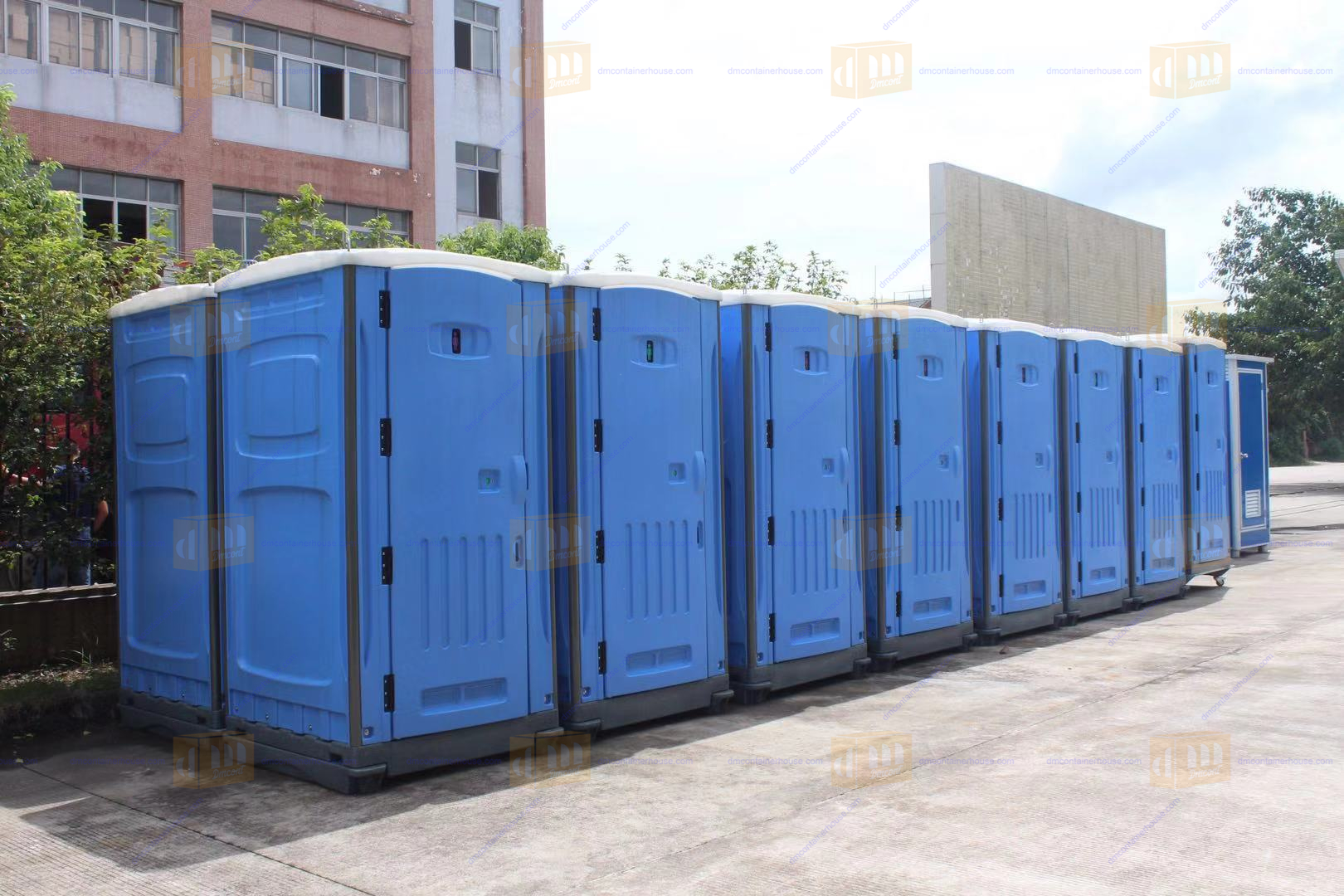
DM-Toilet
Name*
*Country*
*Email*
*Tel/Whatsapp*
*Message*
*


