
How to choose portable toilets for outdoor sports?
Hosting an outdoor sporting event involves meticulous planning to ensure a seamless and enjoyable experience for attendees. One critical aspect that can significantly impact the comfort and hygiene of participants and spectators is the provision of portable toilets. Selecting the right portable bathroom toilets requires careful consideration of several factors to meet the needs of the event while maintaining high hygiene standards. This guide delves into the key considerations when choosing portable toilets for outdoor sporting events.
1. Assessing the Number of Units Needed
The number of mobile wc toilets required is directly proportional to the number of attendees and the duration of the event. A general guideline is to provide one toilet for every 50-100 people for an event lasting up to four hours. For longer events, it's advisable to increase the number of units or schedule additional servicing. Overestimating slightly can prevent long queues and overuse, ensuring a comfortable experience for all.
2. Types of Outdoor Portable Bathroom Toilets
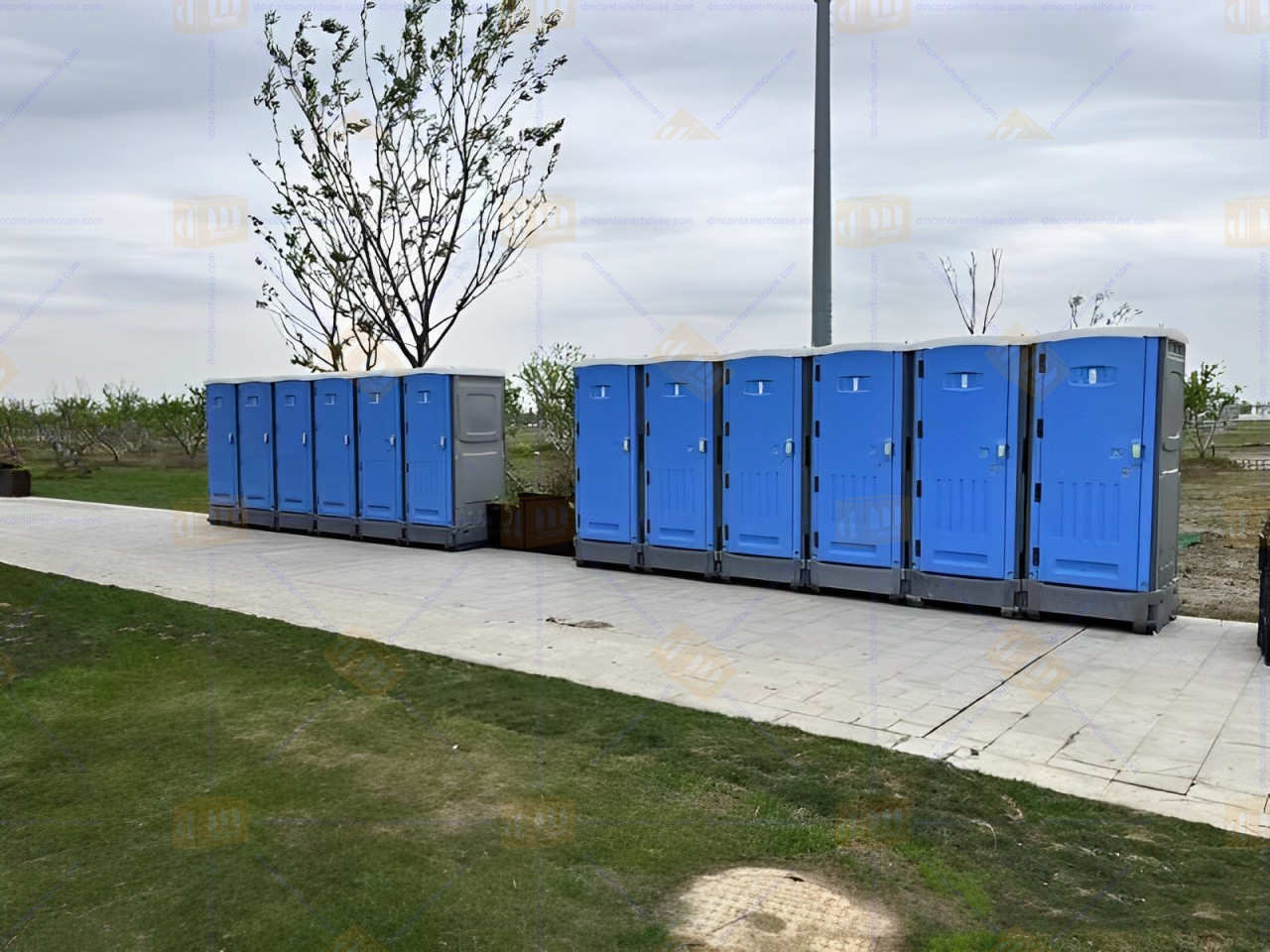
Movable toilets come in various types, each suited to different needs and budgets:
Standard Units: These basic portable bathroom are cost-effective and suitable for short events with fewer attendees. They typically include a toilet seat, urinal, and hand sanitizer dispenser.
Deluxe Units: These offer additional features such as sinks with running water, flushing mechanisms, and more spacious interiors. They are ideal for events where a higher level of comfort is desired.
ADA-Compliant Units: Ensuring accessibility for all attendees is crucial. ADA-compliant units are designed to accommodate individuals with disabilities, featuring wider doors, ground-level access, and handrails.
Luxury Trailers: For high-end events or VIP areas, luxury restroom trailers provide a premium experience with amenities like air conditioning, lighting, mirrors, and even music systems.
3. Strategic Location and Placement
Proper placement of portable toilets and bathroom wc is essential for convenience and accessibility:
Accessibility: Outdoor Movable Toilets should be easily accessible to all attendees, including those with disabilities. Consider placing ADA-compliant units at multiple locations across the venue.
Distribution: Spread the units evenly to prevent overcrowding in specific areas. Place them near high-traffic spots such as food stalls, spectator stands, and participant areas.
Ground Stability: Ensure the units are placed on level ground to prevent tipping. If the ground is uneven, provide stable platforms or supports.
4. Maintaining Hygiene and Sanitation
Hygiene is paramount when it comes to portable toilette mobile. Implementing the following measures can help maintain cleanliness:
Handwashing Stations: In addition to hand sanitizer dispensers inside the units, consider providing separate handwashing stations equipped with soap and water.
Regular Cleaning: Schedule frequent cleaning and restocking of supplies such as toilet paper, hand sanitizer, and soap. For longer events, multiple cleanings throughout the day may be necessary.
Waste Disposal: Ensure that waste disposal is handled efficiently and in accordance with local regulations. Partner with a reliable service provider who can manage the waste safely and hygienically.
5. Climate Considerations
The climate can greatly influence the type of portable toilets you choose:
Ventilation: In hot weather, units with good ventilation are essential to prevent unpleasant odors and ensure a comfortable environment inside the toilets.
Heating: For events in colder climates, consider units with heating options to provide a comfortable experience for attendees.
6. Amenities and Additional Features
Enhancing the user experience with additional amenities can leave a positive impression:
Hand Sanitizer: Ensure each unit has a hand sanitizer dispenser, especially if handwashing stations are not available.
Lighting: If the event extends into the evening, provide units with internal lighting or ensure adequate external lighting around the toilets for safety and convenience.
Deodorizers: Use deodorizers or air fresheners inside the units to control odor and maintain a pleasant environment.
7. Adhering to Regulations and Permits
Compliance with local regulations is crucial when setting up portable toilets:
Local Regulations: Familiarize yourself with local health and safety regulations regarding portable toilet provision. Some areas have specific requirements for the number and type of units needed for large gatherings.
Permits: Obtain any necessary permits for the placement and servicing of portable toilets. This ensures that your event is legally compliant and avoids any last-minute disruptions.
8. Choosing a Reputable Service Provider
The reliability of your portable toilet service provider can make or break the sanitation aspect of your event:
Reputation: Choose a provider with a solid reputation for punctual delivery, efficient service, and responsive customer support.
Reviews and Testimonials: Check reviews and testimonials from previous clients to gauge the quality of service. A provider with positive feedback is more likely to meet your expectations.
9. Budget Considerations
Balancing cost and quality is essential to get the best value for your investment:
Cost: Consider the overall cost, including delivery, setup, and servicing. While it might be tempting to opt for the cheapest option, investing a bit more can significantly enhance the user experience.
Value for Money: Evaluate the features and services offered for the price. Sometimes, paying slightly more for additional amenities and reliable service can be worthwhile.
10. Sustainability and Eco-Friendly Options
With increasing awareness of environmental impact, consider opting for sustainable options:
Eco-Friendly Materials: Look for units made from recycled materials or those designed to minimize environmental impact.
Green Chemicals: Choose providers that use eco-friendly chemicals for cleaning and waste treatment to reduce the ecological footprint of your event.
Conclusion
Choosing the right portable toilets for an outdoor sporting event involves careful consideration of various factors, from the number of units needed and their types to placement, hygiene, and budget. By taking into account the specific needs of your event and adhering to local regulations, you can ensure a comfortable and hygienic experience for all attendees. Partnering with a reputable service provider and considering sustainable options further enhances the success of your event. With meticulous planning and attention to detail, portable toilets can seamlessly integrate into your event, contributing to its overall success.
FAQs
Q1: How many mobile toilets outdoor portable wc do I need for my event?
Generally, provide one toilet per 50-100 attendees for events up to four hours. For longer events, increase the number or schedule additional servicing.
Q2: What types of outdoor portable toilets should I consider?
Standard Units: Basic and cost-effective.
Deluxe Units: Include sinks and flushing mechanisms.
ADA-Compliant Units: Accessible for individuals with disabilities.
Luxury Trailers: Premium amenities like air conditioning and lighting.
Q3: Where should I place portable toilets at my event?
Ensure easy access for all attendees, including those with disabilities.
Spread units evenly across high-traffic areas.
Place on level ground for stability.
Q4: How can I maintain hygiene and cleanliness?
Provide handwashing stations with soap and water.
Schedule frequent cleaning and restocking of supplies.
Partner with a reliable service provider for waste disposal.
Q5: What climate considerations should I keep in mind?
Ventilation: Essential for hot weather.
Heating: Necessary for colder climates.
Lighting: Important for events extending into the evening.
DM-Toilet
Name*
*Country*
*Email*
*Tel/Whatsapp*
*Message*
*


