
The History of Portable Toilets: From Ancient Times to Modern Innovations
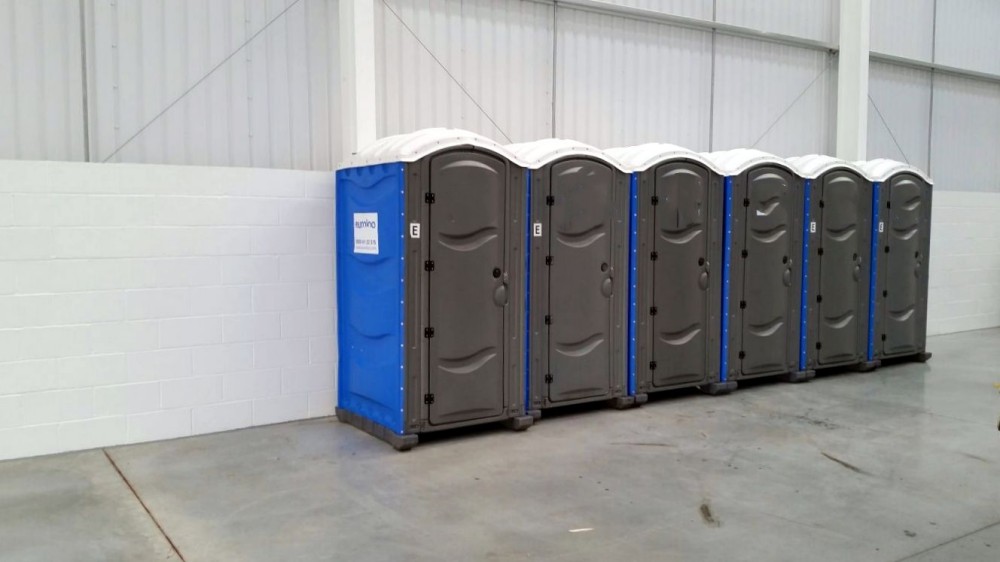
There are many types of portable toilets, which can be placed anywhere and moved around, some can be moved by one person, and some can be moved by mechanical equipment such as trucks and cranes. Most types of portable toilets are completely self-contained and don't even require any pre-existing services or infrastructure, such as sewage systems. Most portable toilets are unisex one-person toilets with a simple lock on the door for privacy. Some small molded plastic portable toilets or fiberglass portable chambers that are primarily used to collect human waste in containers.
The benefits of portable toilets are providing convenience to people, accepting people with disabilities, environmental sanitation, reducing cleaning tasks, protecting your facility, reducing the burden on parents, and contributing to a cleaner environment. They are an invaluable resource at any venue with many benefits for workers, customers and the environment.
The Early History of Portable Toilets
The first recorded examples of portable toilets date back to Egypt in the 14th century BC, and mention cannot be made of high mansions in the 14th century BC, where toilets were built into recesses in the back walls of the bathrooms. The toilet seat is made of limestone and shaped like a keyhole, somewhat similar to the toilets of the early Mesopotamians. The early toilet seat of the Mesopotamian toilet was shaped like a huge horseshoe, which fit the human hip very well. In addition, the structure of the ancient Egyptian toilet is a large container similar to a shallow pit, the depth of which does not exceed 1 meter, and a layer of sand will be laid on the bottom to absorb and fill excrement. The appearance of the toilet resembles a table with a seat at a certain height, usually made of stone, with a round hole in the middle to allow feces and urine to flow into the container.
If we ignore the under-bed kind of potty, the first modern portable toilet was invented in the 1940s in Long Beach, California, by a dock manager. It was made of metal or wood, and they had no running water and just a toilet seat. The dock manager noticed that his men were wasting working hours walking from the dock to the nearest toilet, the same portable toilet that had been designed at the shipyard as a temporary use of a different type of plumbing facility. That's because shipbuilders realize there's a lot of lost productivity when workers have to return to the docks to use the facilities.
The Evolution of Portable Toilets
In the 1940s, during World War II, the Long Beach Shipyard in California, USA, in order to save the time of warship repairmen, simplify the time of workers, and maximize productivity. A drum-shaped portable toilet installation made of wood and metal with a capacity of 208 liters was installed on board.
In the 1950s, with the development of the construction industry and the rise of independent domestic suppliers, wooden portable toilets began to be mass-produced, each weighing about 180 kg (portable toilets now weigh 73-76 kg).
Ken Holyoak got his start in the camper van business in the 1960s. He occasionally uses the portable toilet and is suffocated by the bad smell. So he gave the owner of the portable toilet some free camper deodorant. The reason why he became a pioneer in this industry is that he was the first to think of using detergent in mobile toilets and provided a solution to the stench of mobile toilets.
In 1969, Woodstock was one of the first groups to use portable toilets outside of commercial and industrial settings. At that time, there were 15 6-meter wooden huts with toilets and urinals installed inside. On average, every 3,000 musicians share one toilet.
In 1972, Airshield of Satellite Industries changed the material of the portable toilet from heavy, smelly wood to fiberglass and plastic. He introduced polyethylene, inspired by plastic bleachers he had seen in stadiums.
In the 1980s, plastic completely replaced fiberglass. Because the glass fiber is too hard and fragile, mobile toilets made of glass fiber are more likely to age.
In 1996, the Boston Marathon celebrated its centennial, and the number of entries was full. Competition director David McCleery managed to install a 340-foot-long urinal. This urinal is made up of several parts, held together with duct tape. The original idea was to allow the urine to flow by gravity into the cesspool. But the tape didn't stick well, and hardly a drop of urine flowed smoothly into the cesspool.
Since 2012, at this time, the mobile toilet industry has spread all over the world, not only providing convenience to people, but also protecting the environment to the greatest extent.
While portable toilets have been around in some form for thousands of years, they were fairly primitive until less than a century ago. It can be seen that the development speed of portable toilets is fast.

Conclusion
Portable toilets are an ideal way to provide convenience for people while also accommodating disabled guests properly. Portable toilets have a flush mechanism that saves more water than regular toilets. Cleaning up toilets after an event can often be a cumbersome task, but using a portable toilet can help reduce cleaning. In addition, portable toilets are effective in protecting your facility from people abusing indoor restrooms.
Portable toilets are also able to provide safe restrooms for children and reduce the burden on parents. Finally, portable toilets can contribute to a cleaner environment. Excessive human waste is often easily flushed down drains or streams. Untreated waste can pollute water bodies, spread disease, and endanger wildlife. Portable toilets can be used to reduce this pollution.
FAQs
Q1: What types of portable toilets are there?
Do-It-Yourself Portable Toilets, Standard Portable Toilets, Hot Wash Field Toilets, Mains Connected Portable Toilets, Composting Portable Toilets, Long Drop Portable Toilets, Accessible Portable Toilets
Q2: Can the disabled use portable toilets?
Yes, in fact, there are portable toilets specifically designed for people with physical disabilities.
Q3: Can I customize the specifications and colors of the portable toilet according to my project?
Of course, we at Dream maker have a top-notch team that provides convenience, flexibility, value for money and tailor-made services.
DM-Toilet-西语
Nombre*
*País*
*Correo electrónico*
*Teléfono/Whatsapp*
*Mensaje*
*


